
Pros & Cons
The honest breakdown of what each home server OS does better.
Umbrel
⭐ Winner- Source code public and auditable on GitHub
- Tailscale built into the OS, no port forwarding
- Curated app store, every app packaged and tested
- Community App Stores extend it without leaving the UI
- Bitcoin Core, Lightning, mempool and BTCPay as one-click apps
- Free with no paid tier: the software is never gated
- Self-host AI locally: Ollama, Open WebUI
- Runs on Raspberry Pi, mini PC or a VM
- umbrelOS 2.0: FailSafe (RAID), multiple users, virtual machines
- PolyForm Noncommercial license: not open source
- Storage Manager is new in 2.0 and not available on Raspberry Pi
- Takes over the whole machine
ZimaOS
- Built as a NAS: real disk management
- Over-the-air and offline updates
- Lightweight, built on Buildroot, memory-efficient
- Actively developed: 1.7.1 released August 2026
- Designed alongside ZimaBoard, ZimaBlade and ZimaCube
- Also runs on generic x86-64 with UEFI
- Free edition covers the core NAS features
- No license file: the source is not published
- Its predecessor CasaOS was Apache 2.0; this is a step back
- Paid ZimaOS+ tier ($29 lifetime, one device)
- No first-party Tailscale integration
- No packaged Bitcoin or Lightning apps
Feature-by-Feature Comparison
Umbrel vs ZimaOS as home server platforms. Project data read from each repository.
| Feature | Umbrel Home server OS | ZimaOS by IceWhale Tech |
|---|---|---|
| Project health | ||
| Latest release | 2.0 · Sep 2026 | 1.7.1 · Aug 2026 |
| Maintenance | Active | Active |
| GitHub stars | 12.1k | 3.0k |
| Source published | Yes | No, release images only |
| License | PolyForm Noncommercial 1.0.0 | None declared |
| Fully open source | No | No |
| What it is built for | ||
| Primary focus | Running apps | Storing files |
| Disk / array management | Yes, Storage Manager with FailSafe (RAID) | Yes |
| Over-the-air updates | Yes | Yes, plus offline |
| Base system | Debian-based | Buildroot |
| Descends from | — | CasaOS |
| Apps | ||
| Curated app store | Yes + Community Stores | Yes |
| Raw Docker ecosystem | Yes | Yes |
| Media & files | Plex, Jellyfin, Nextcloud, Immich | Jellyfin, Nextcloud |
| Smart home | Home Assistant, Homebridge | Home Assistant |
| Ad blocking | Pi-hole, AdGuard Home | AdGuard |
| Local AI | Ollama, Open WebUI | Via Docker, unpackaged |
| Bitcoin & Lightning apps | One-click | Via Docker, unpackaged |
| Access, hardware & price | ||
| Tailscale built in | Yes | No, set it up yourself |
| First-party hardware | Umbrel Home / Pro | ZimaBoard, ZimaBlade, ZimaCube |
| Generic hardware | Raspberry Pi, mini PC, VM | x86-64 with UEFI |
| Price of the OS | Free, no paid tier | Free, or $29 lifetime for Plus |
| Hardware from | $549 (Home) / $699 (Pro) | Bring your own |
What to run them on
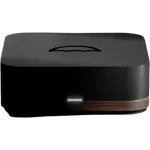
Both operating systems are free and install on hardware you already own. Build your own machine, or skip the build with Umbrel's ready-made options.

Frequently Asked Questions
Everything people ask when comparing Umbrel vs ZimaOS in 2026.
Which is better overall: Umbrel or ZimaOS?
It depends on what the machine is for. Umbrel is the better choice if the point is self-hosting applications: it has the larger curated app store, Tailscale built into the OS, and one-click Bitcoin and Lightning apps that already know how to talk to each other. ZimaOS is the better choice if the point is storage: it is a NAS operating system first, with disk management, over-the-air updates and tight integration with IceWhale's own Zima hardware. umbrelOS 2.0 added a Storage Manager with FailSafe (RAID), but storage is still what ZimaOS is built around. Both are free, and both are actively developed in 2026.
Is ZimaOS the same as CasaOS?
No, but it descends from it. IceWhale Tech built ZimaOS out of CasaOS and now presents it as the next generation, with better hardware compatibility and a proper update mechanism. The practical difference for a user choosing today is that CasaOS has not shipped a release since December 2024, while ZimaOS shipped 1.7.1 in August 2026. The licensing difference matters too: CasaOS is Apache 2.0, while the ZimaOS repository publishes release images without a license file. See our Umbrel vs CasaOS comparison for that side of the story.
Is ZimaOS free?
Yes, with a paid tier on top. The free edition covers the core NAS features and unlimited apps. ZimaOS+ is a one-time $29 lifetime license, bound to a single device, that unlocks the extras. Umbrel by comparison is free with no paid tier: what Umbrel sells is hardware, not software.
Is ZimaOS open source?
Not in the sense its predecessor was. The public ZimaOS repository exists to distribute release images and carries no license file, and its own README describes the project as being for releasing test images. CasaOS, which it evolved from, is Apache 2.0 with its source in the open. Umbrel is a middle case: its source is public and auditable on GitHub, but under the PolyForm Noncommercial License 1.0.0, which restricts commercial use and is therefore not an open-source license either.
Does ZimaOS support Tailscale?
Not as a first-party integration the way Umbrel does. Umbrel ships Tailscale inside the OS, so reaching your server from outside the house needs no port forwarding and exposes nothing to the internet. On ZimaOS you set up remote access yourself, or lean on IceWhale's own remote access features.
Can I run a Bitcoin node on ZimaOS?
You can run Bitcoin Core in a container like any other Docker workload, but you wire it up yourself: storage, pruning, RPC credentials and whichever wallet or Electrum server you point at it. Umbrel packages Bitcoin Core, a Lightning node, mempool, Electrum servers and BTCPay Server as one-click apps that are already wired together. If running a node is why you want a home server, that packaging is the whole difference.
Related comparisons
Other head-to-heads that cover one of these products.
Ready to build your home server?
Umbrel is free on hardware you already own. If you would rather skip the build, Umbrel Home is our pick for 2026. The affiliate links below support The Bitcoin Hole at no extra cost to you.
Authorship & Editorial Standards

Affiliate disclosure & independence
We are not owned by, funded by, or contracted to Umbrel, IceWhale Tech, or any other manufacturer. Brands cannot pay to be added, removed, reordered, or rated more favorably.
Some BUY links on this page are affiliate links: we may earn a commission at no additional cost to you if you purchase through them. Affiliate relationships do not influence which products we list, the data we show, or how we rank them. Our pick stays the same whether or not a link pays.
Sources & methodology
Last updated: September 2026
Project data in this comparison is read from each project's own repository and documentation: release tags and commit dates from the GitHub API, licenses from the LICENSE file of each repo (or its absence), and feature claims from the official README and product pages. Release dates were checked in September 2026 and are the most perishable fact here: check the release pages linked below before acting on them. Pricing for Umbrel hardware comes from our product database and reflects the base configuration of each model; the ZimaOS+ price comes from IceWhale's own pricing page.
How we pick the winner
For a home server operating system we weigh maintenance status, licensing and source availability, app packaging and curation, remote access, and hardware options. Where two systems are built for different jobs, we say so instead of forcing a single winner. When a fact cannot be confirmed from a primary source, the field is left empty rather than guessed. Umbrel wins here on apps, remote access and source availability; ZimaOS wins on storage management and on hardware it was designed for.