

Pros & Cons
The honest breakdown of what each platform does better.
Umbrel
⭐ Winner- Largest app ecosystem: 200+ via community stores
- Tailscale VPN built-in for remote access
- All Bitcoin networks: mainnet, testnet, regtest, signet
- $549, which is $350 cheaper than Start9 Server One
- Umbrel Pro: up to 32 TB with FailSafe (RAID) + 2.5 Gbps Ethernet
- Libre Relay, ElectrumX, Samourai Server support
- Extended warranty option (+1 year)
- Beyond Bitcoin: self-host AI (Llama, DeepSeek), Plex, Nextcloud, Home Assistant, Pi-hole
- umbrelOS 2.0: multiple users, virtual machines, GPU acceleration
- Not fully open-source (PolyForm Noncommercial)
- No automated health checks for services
- No Telegram community
Start9
- True FOSS: MIT license, fully open-source
- SSL encryption on LAN by default (own CA)
- Automated health checks for all services
- 2-year hardware warranty
- Lifetime Start9 support membership ($300 value)
- Telegram community channel
- Sparrow Wallet server-side integration
- No Tailscale (Tor only for remote access)
- Mainnet only: no testnet, regtest, signet
- No Libre Relay, ElectrumX, Samourai Server
- From $899, which is $350 more than Umbrel Home
- No extended warranty option
- Server One has no WiFi
Feature-by-Feature Comparison
Umbrel Home & Pro vs Start9 Server One. Every relevant spec from the official data.
| Feature | Umbrel Home / Pro | Start9 Server One |
|---|---|---|
| Hardware | ||
| CPU | Intel N150 quad / i3-N300 8-core | Ryzen 7 6800H |
| RAM | 16 GB LPDDR5 | 16 to 32 GB LPDDR5 |
| Storage | 1 TB to 4 TB / Up to 32 TB | 2/4 TB NVMe |
| Ethernet | Gigabit / 2.5 Gbps | Gigabit |
| WiFi | WiFi 5.1 / WiFi 6 | No |
| USB | 3x USB 3.0 / 2x USB 3.2 Gen 2 | 5x USB |
| Warranty | 1 yr + optional +1 yr | 2 years |
| Price | From $549 / From $699 | From $899 |
| Bitcoin Networks | ||
| Mainnet | Yes | Yes |
| Testnet | Yes | No |
| Regtest | Yes | No |
| Signet | Yes | No |
| Firmware | ||
| OS | umbrelOS | StartOS |
| Source-Available | Yes | Yes |
| Fully Open Source (FOSS) | No (PolyForm NC) | Yes, MIT License |
| Bitcoin Apps | ||
| Bitcoin Core | Yes | Yes |
| Bitcoin Knots | Yes | Yes |
| Libre Relay | Yes | No |
| Lightning Node | Yes | Yes |
| Block Explorer | Yes | Yes |
| Mempool Visualizer | Yes | Yes |
| CoinJoin (JoinMarket) | Yes | Yes |
| BTCPay Server | Yes | Yes |
| Electrs | Yes | Yes |
| ElectrumX | Yes | No |
| Fulcrum | Yes | Yes |
| Samourai Server | Yes | No |
| Specter Desktop | Yes | Yes |
| Sparrow Wallet | No | Yes |
| Other Features | ||
| Prune Node | Yes | Yes |
| Official App Store | Yes | Yes |
| Community App Stores | Yes | Yes |
| Backup / Restore | Yes | Yes |
| Health Checks | No | Yes, Automated |
| SSL on LAN | Yes, self-signed (umbrelOS 2.0) | Yes, Own CA |
| Tor | Yes | Yes |
| Tailscale VPN | Yes, Built-in | No |
Umbrel vs Start9: key differences
- Price: Umbrel Home starts at $549; Start9 Server One starts at $899. Umbrel is $350 cheaper.
- Tailscale: Umbrel supports Tailscale VPN built-in; Start9 does not (Tor only for remote access).
- Bitcoin networks: Umbrel supports mainnet, testnet, regtest, and signet; Start9 supports mainnet only.
- Open source: Start9's StartOS is fully open-source under the MIT license; Umbrel's umbrelOS is source-available under the PolyForm Noncommercial license, not fully FOSS.
- SSL on LAN: Both encrypt the local connection. Start9 acts as its own certificate authority; Umbrel serves HTTPS automatically since umbrelOS 2.0, with a self-signed certificate you can install on your devices.
- Health checks: Start9 provides automated health checks for every service; Umbrel does not.
- App ecosystem: Umbrel offers 200+ apps and supports Libre Relay, ElectrumX, and Samourai Server; Start9 does not offer those but exclusively supports Sparrow Wallet server-side.
- Storage: Umbrel Pro scales up to 32 TB across four NVMe slots, with FailSafe (RAID) protection against a failed SSD; Start9 Server One offers 2 or 4 TB NVMe.
- Warranty: Start9 includes a 2-year warranty; Umbrel includes 1 year with an optional +1 year extension.
- Verdict: Umbrel wins for most users in 2026 on value, apps, and remote access; Start9 wins for users who require fully open-source firmware and automated health checks.
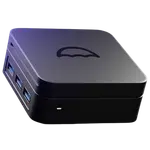
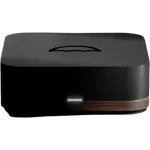
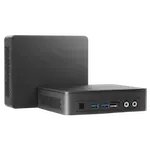
All Models & Pricing
Every node from both brands, from low-cost DIY setups to premium hardware.

Frequently Asked Questions
Everything people ask when comparing Umbrel vs Start9 in 2026.
Which is better overall: Umbrel or Start9?
For most users in 2026, Umbrel is the better choice. Umbrel Home ($549) delivers a polished plug-and-play experience, Tailscale remote access built-in, a massive app ecosystem (official store plus community stores with 200+ apps), and support for all Bitcoin networks including testnet, regtest, and signet. Start9 has genuine strengths: true FOSS MIT license, automated health checks for all services, and a 2-year warranty. But for most people, Umbrel wins on usability, app selection, and value.
Is Umbrel Home worth buying in 2026?
Yes. Umbrel Home is one of the best plug-and-play Bitcoin nodes available in 2026. It ships with a quad-core Intel N150 CPU, 16GB LPDDR5 RAM, and 1TB to 4TB NVMe SSD in a compact box. umbrelOS provides a beautiful app-store-style interface for managing Bitcoin Core, Lightning, Mempool, BTCPay Server, and 200+ other self-hosted apps. The built-in Tailscale integration makes remote access easy without port forwarding. At $549 it undercuts the Start9 Server One ($899) by $350 while offering more features and all four Bitcoin networks.
What is the difference between umbrelOS and StartOS?
umbrelOS prioritizes user experience and app breadth. Larger ecosystem, Tailscale built-in, all Bitcoin networks supported, and since umbrelOS 2.0 multiple user accounts, virtual machines, and FailSafe (RAID) storage. Its source code is public but under the PolyForm Noncommercial License 1.0.0, not fully open-source. StartOS is fully open-source under the MIT license and provides automated health checks for every installed service. Both now encrypt the local connection: StartOS acts as its own certificate authority, and umbrelOS 2.0 serves HTTPS automatically with a certificate the Umbrel creates itself. StartOS is the better choice for users who need verifiable FOSS software; umbrelOS wins on ease of use, app selection, and price.
Does Start9 support Tailscale?
No. As of 2026, Start9 nodes do not support Tailscale. Start9 relies on Tor for remote access and SSL over the local network. Umbrel, in contrast, has Tailscale built directly into umbrelOS: a zero-config WireGuard-based VPN that works across any network without port forwarding. This is one of the clearest practical advantages Umbrel has for users who want to access their node remotely from outside their home network.
Which Bitcoin node has the largest app store?
Umbrel has the largest app ecosystem. The official Umbrel App Store plus Community App Stores give access to 200+ apps. Notable apps available on Umbrel but not Start9: Libre Relay and ElectrumX. Start9 exclusively supports Sparrow Wallet as a server-side app, which Umbrel does not currently offer.
Is Umbrel open source?
Umbrel is source-available but not fully open-source. The umbrelOS code is publicly on GitHub and anyone can read and audit it. However, it is released under the PolyForm Noncommercial License 1.0.0, which restricts commercial use. By contrast, Start9's StartOS is released under the MIT license: a true FOSS license allowing any use, modification, and redistribution. For users who prioritize software freedom, Start9 has a clear advantage on this specific point.
What else can Umbrel do besides running a Bitcoin node?
A lot. umbrelOS turns your node into a full personal home server. Beyond Bitcoin and Lightning, you can self-host AI models like Llama 3 and DeepSeek R1, stream your media library with Plex, replace Google with a private Nextcloud cloud, run Home Assistant for smart-home automation, and block ads network-wide with Pi-hole. umbrelOS 2.0 adds a Photos app, virtual machines for Windows, Ubuntu, and Android, and accounts for everyone in the house. This versatility, plus Umbrel Pro's up to 32 TB of storage, is a big reason Umbrel appeals to users who want more than just a Bitcoin node. If a general-purpose home server is what you are after, see how umbrelOS compares with CasaOS.
Related comparisons
Other head-to-heads that cover one of these products.
Ready to buy your Bitcoin node?
Umbrel Home is our top pick for 2026: best value, biggest app store, and Tailscale out of the box. The affiliate links below support The Bitcoin Hole at no extra cost to you.
Authorship & Editorial Standards
Affiliate disclosure & independence
We are not owned by, funded by, or contracted to Umbrel, Start9, or any other manufacturer. Brands cannot pay to be added, removed, reordered, or rated more favorably.
Some BUY links on this page are affiliate links: we may earn a commission at no additional cost to you if you purchase through them. Affiliate relationships do not influence which products we list, the data we show, or how we rank them. Our pick stays the same whether or not a link pays.
Sources & methodology
Last updated: September 2026
Hardware specs, firmware features, and pricing in this comparison are taken directly from each manufacturer's official store and product pages, and from the public source code and license files of umbrelOS and StartOS. Prices are in USD and reflect the base configuration of each model at the time of the last update; check the official stores for current pricing and stock. License classifications (PolyForm Noncommercial 1.0.0 for umbrelOS, MIT for StartOS) are verified against the LICENSE files in each project's GitHub repository.
How we pick the winner
Our verdict is built from a structured spec database, not opinion. We score each node on the attributes that decide whether it fits a real self-custody workflow: hardware-to-price ratio, app ecosystem breadth, Bitcoin network support, remote-access options, open-source status, and on-device security (SSL, health checks). When a fact cannot be confirmed from a primary source, the field is left empty rather than guessed. Umbrel wins here on value, apps, and remote access; Start9 wins for users who require fully open-source firmware.